
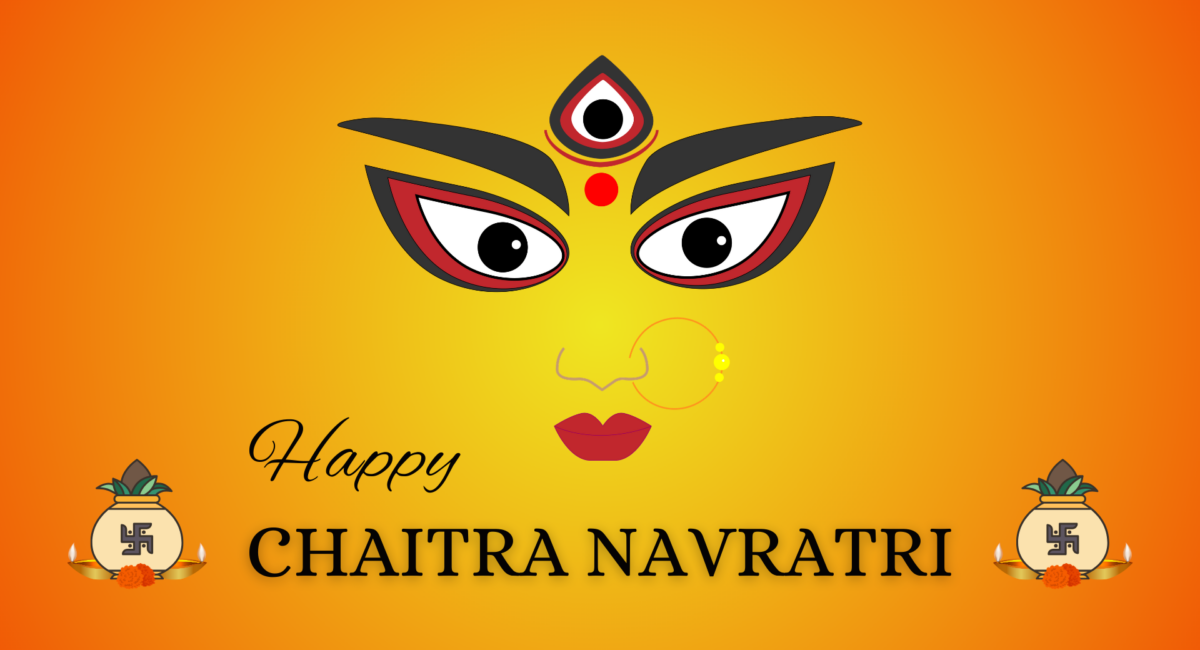
Happy Chaitra Navratri
Chaitra Navratri is one of the most sacred Hindu festivals dedicated to the worship of Goddess Durga and her nine divine forms known as Navadurga. The word Navratri comes from two Sanskrit words: “Nav” meaning nine and “Ratri” meaning nights. Therefore, Navratri literally means “Nine Nights.”
Chaitra Navratri is celebrated during the Hindu lunar month of Chaitra (March–April). In 2026, Chaitra Navratri will begin around 19 March 2026 and will end on 27 March 2026, with the ninth day celebrated as Ram Navami, the birthday of Lord Rama.
This festival marks the beginning of the Hindu New Year in many regions of India, especially in North India. It is a time of devotion, fasting, prayers, and spiritual purification.
Importance of Chaitra Navratri
Chaitra Navratri is considered extremely auspicious because it symbolizes the victory of good over evil and divine energy over negative forces. According to Hindu beliefs, during these nine days the divine power of Goddess Durga becomes highly active, blessing devotees with strength, wisdom, prosperity, and protection.
Many Hindus observe fasting (Vrat), perform special prayers, and visit temples during these days. Devotees believe that worshipping the Goddess during Navratri removes obstacles and brings happiness and success in life.
Another important reason for celebrating Chaitra Navratri is that it marks the start of spring season in India. Nature begins to bloom, symbolizing renewal, positivity, and new beginnings.
Mythological Significance
The origin of Navratri is connected to several Hindu mythological stories. The most famous story is about the battle between Goddess Durga and the powerful demon Mahishasura.
Mahishasura was a demon king who gained a powerful blessing that made him almost impossible to defeat. He began to create destruction in heaven and earth, defeating many gods. The gods then combined their divine powers and created Goddess Durga, a powerful warrior goddess.
Durga fought Mahishasura for nine days and nine nights. On the tenth day, she finally defeated and killed him. This victory symbolized the triumph of righteousness over evil.
Another reason for celebrating Chaitra Navratri is related to the birth of Lord Rama, the seventh incarnation of Lord Vishnu. The ninth day of the festival is celebrated as Ram Navami, which marks the birth of Lord Rama in Ayodhya.
Nine Forms of Goddess Durga (Navadurga)
Each day of Navratri is dedicated to a different form of Goddess Durga.
Day 1 – Shailaputri
The first day is dedicated to Shailaputri, the daughter of the mountains. She symbolizes strength and purity. Devotees pray to her for stability and courage.
Day 2 – Brahmacharini
The second form represents penance and devotion. She symbolizes determination, discipline, and spiritual knowledge.
Day 3 – Chandraghanta
Chandraghanta represents peace and bravery. She is believed to protect devotees from negative energies.
Day 4 – Kushmanda
This form of the Goddess is believed to have created the universe. She symbolizes energy, health, and prosperity.
Day 5 – Skandamata
Skandamata is the mother of Lord Kartikeya. Worshipping her brings wisdom, prosperity, and protection.
Day 6 – Katyayani
Katyayani represents courage and justice. She is worshipped especially by young girls who pray for a good marriage.
Day 7 – Kalaratri
Kalaratri is the fiercest form of Durga who destroys evil forces. She symbolizes power and protection from fear.
Day 8 – Mahagauri
Mahagauri represents purity, peace, and forgiveness. Devotees pray for a peaceful and prosperous life.
Day 9 – Siddhidatri
The ninth form is Siddhidatri, the goddess who grants spiritual powers and blessings.
Rituals and Traditions of Chaitra Navratri
1. Ghatasthapana (Kalash Sthapana)
The festival begins with Ghatasthapana, where a sacred pot (Kalash) is installed in the house or temple. It symbolizes the presence of the Goddess.
Devotees also sow barley seeds in soil during this ritual. The growth of these plants during the nine days is considered a sign of prosperity.
2. Fasting (Navratri Vrat)
Many devotees observe strict fasting during Navratri. Some people eat only fruits, milk, and special fasting foods such as:
Sabudana (tapioca pearls)
Singhara flour (water chestnut flour)
Kuttu flour (buckwheat flour)
Potatoes and fruits
Fasting is believed to purify the body and mind.
3. Daily Worship and Aarti
Devotees perform daily prayers, chant Durga Mantras, and sing devotional songs (bhajans). Temples organize special aarti ceremonies every morning and evening.
4. Kanya Pujan
On the eighth or ninth day, a special ritual called Kanya Pujan is performed. Nine young girls representing the nine forms of the Goddess are worshipped and offered food, gifts, and blessings.
5. Ram Navami Celebration
The ninth day celebrates the birth of Lord Rama. Temples organize Ramayana recitations, bhajans, and processions.
Celebrations Across India
Chaitra Navratri is celebrated differently in various parts of India.
North India
In states like Uttar Pradesh, Punjab, and Himachal Pradesh, devotees keep fasts and visit temples. Special fairs and religious gatherings are organized.
Maharashtra
In Maharashtra, Chaitra Navratri coincides with Gudi Padwa, which marks the Marathi New Year.
South India
In southern states such as Tamil Nadu, Karnataka, and Andhra Pradesh, the festival is linked with Ugadi, the Telugu and Kannada New Year.
Eastern India
In West Bengal, the main Durga worship happens during Sharad Navratri, but Chaitra Navratri is still observed with devotion.
Spiritual Benefits of Navratri
Chaitra Navratri is not just a religious festival; it also has spiritual and health benefits.
1. Spiritual Growth
Prayers, meditation, and chanting during Navratri help devotees connect with divine energy.
2. Mental Peace
Fasting and spiritual practices reduce stress and improve mental focus.
3. Physical Detox
The fasting diet helps cleanse the body and improves digestion.
4. Positive Energy
Devotees believe that worshipping the Goddess during Navratri removes negativity and brings prosperity.
Foods Prepared During Navratri
During fasting, special foods are prepared without grains or regular salt. Some popular dishes include:
Sabudana Khichdi
Kuttu Puri
Singhara Halwa
Fruit Chaat
Makhana Kheer
Potato Curry
These foods are nutritious and suitable for fasting.
Cultural Significance
Chaitra Navratri plays an important role in Indian culture. The festival promotes devotion, discipline, and community bonding.
Families gather for prayers, temples organize events, and people share festive meals. The festival also encourages respect for women, as the Goddess represents divine feminine power (Shakti).
Conclusion
Chaitra Navratri is one of the most sacred Hindu festivals celebrating the power of Goddess Durga and the triumph of good over evil. The nine days symbolize spiritual purification, devotion, and renewal.
Through fasting, prayers, and rituals, devotees seek blessings for health, happiness, and prosperity. The festival also marks the beginning of a new cycle in nature and life, reminding people to start fresh with positivity and faith.
In 2026, Chaitra Navratri will once again bring millions of devotees together to celebrate the divine power of the Goddess and the birth of Lord Rama. The festival continues to inspire people with its message of courage, faith, and righteousness.